


Exclusive Report on the French Job Market — 2026 A Job Fortress: Extraordinary on the Inside. Brutal to Get In.
The employment architecture in France resembles no other market covered in this report. The Contrat à Durée Indéterminée — the CDI (Permanent Employment Contract) — functions simultaneously as the absolute holy grail of employment and as the main structural bottleneck paralyzing new hires. Because French labor law makes terminating a CDI employee extraordinarily difficult and costly, companies are gripped by recruitment paralysis, leading to interminable, multi-round processes, even for junior positions.
Social media comments, particularly on r/france and r/cscareerquestionsEU, converge: French employers don't just recruit a candidate; they embark on what can become a lifelong commitment. Each CV is scrutinized like a marriage proposal. People undergoing professional retraining and recent graduates are particularly penalized, with companies refusing to take the slightest risk on a profile they may not be able to part with.
The language barrier and elitism constitute the second major obstacle. Without fluent French proficiency, your chances in all sectors are close to zero — even in nominally international companies that operate daily in French. Beyond language, the *grandes écoles* system remains the decisive filter: holding a degree from École Polytechnique, HEC, or Sciences Po confers considerable weight that experience alone cannot compensate for.
France nevertheless remains an extraordinary market for those with the right profile. Healthcare, skilled trades, and hospitality are experiencing a complete market inversion — employers are begging for candidates and relaxing almost all entry barriers. And the French Tech Visa creates a true express lane for highly skilled international technologists in AI, cybersecurity, and cloud infrastructure.
⚡ French Market Sentiment — 2026
🌐 Growth Sectors — France 2026
Structural Analysis · Reddit Monitoring The CDI: France's Double-Edged Sword
The Contrat à Durée Indéterminée — the CDI (Permanent Employment Contract) — is the absolute holy grail of employment in France, offering almost unassailable job security, unimaginable in Anglo-Saxon labor markets. Once employed, the employee is extraordinarily protected: termination requires just cause, a long procedure, and often significant compensation. French labor law is designed to protect the employee above all else.

Yet, users of r/france and r/cscareerquestionsEU consistently highlight the flip side: because it is notoriously difficult and costly to part ways with an underperforming employee, companies are terrified of making a hiring mistake. The result: interminable, multi-round interview processes and a marked reluctance to bet on junior profiles or those in career transition. French employers don't just recruit a candidate — they embark on what can become a lifelong commitment.
“ French employers don't just recruit a candidate. They commit to a potentially lifelong engagement. Each CV is scrutinized like a marriage proposal.Tech Analysis · Multinationals' Bypass Why Tech Giants Bypass France for Development Roles
A major thread running through French tech forums in 2026 is the discreet exodus of standard software development positions out of France. The combination of high employer social contributions, strict labor law, and limited salary differentiation between juniors and seniors pushes large multinationals to locate their standard engineering teams in Ireland, the Netherlands, Poland, and Romania.

What remains in France is a very specific and highly academic segment of tech work: AI research, Machine Learning, cryptography, and advanced mathematics. These positions disproportionately favor candidates from the *grandes écoles* pipeline — particularly École Polytechnique and École Normale Supérieure — meaning the French tech market is simultaneously open to international AI PhDs and essentially closed to self-taught developers.
French Market Overview — 2026
Regional Opportunities · Beyond Paris Toulouse, Lyon, and Sophia Antipolis: Where to Really Look
The forum consensus is increasingly clear: Paris is a trap for those not already integrated into the system. Rents are among the highest in Europe, job competition is fierce, and the *grandes écoles* bias amplifies all other disadvantages. The counter-intuitive advice spreading in French expat communities is to aggressively target second-tier cities.
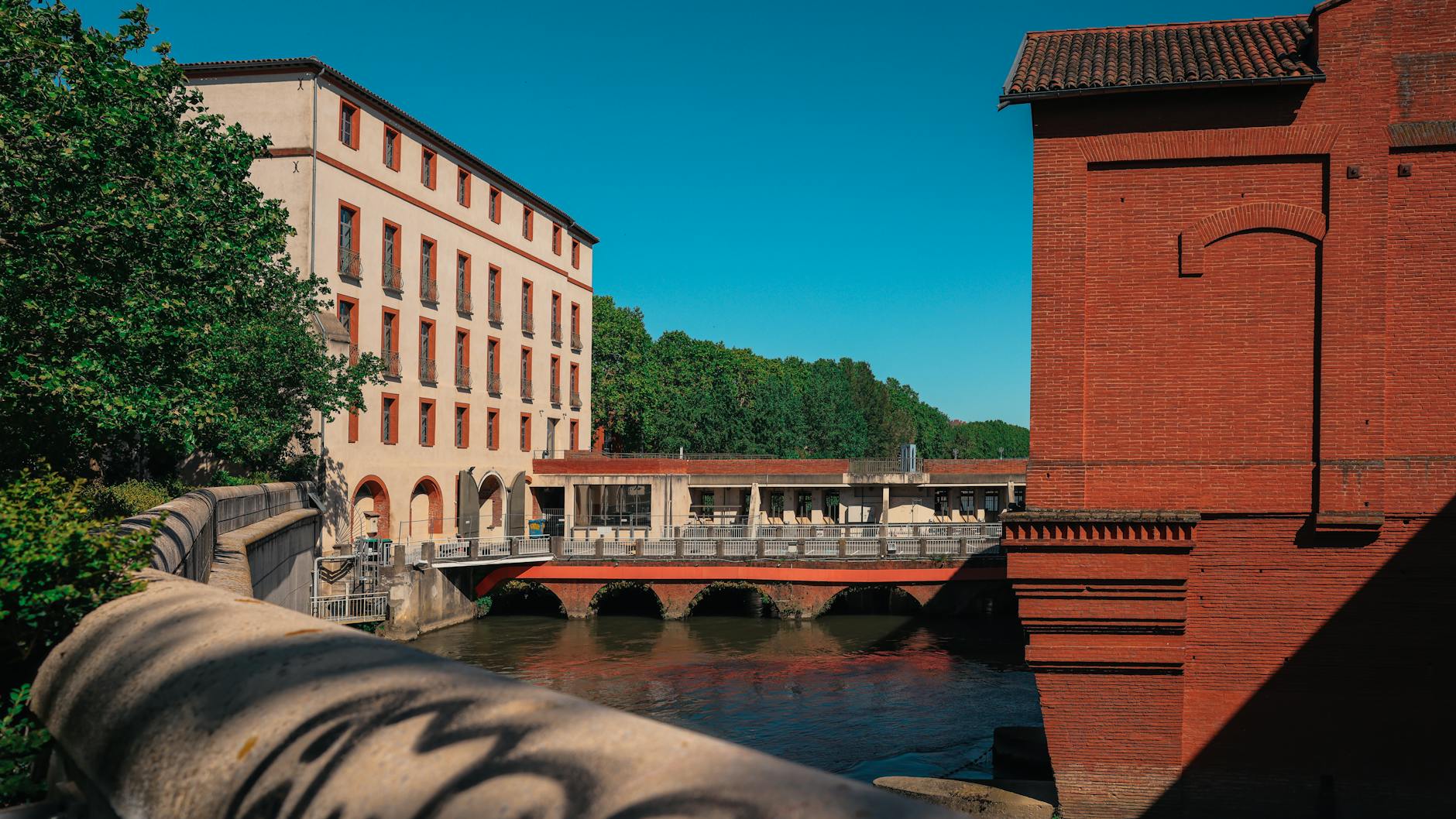
Toulouse, an aerospace hub and emerging AI center, is desperately seeking engineers. Lyon, a biotech and pharmaceutical corridor, shows visible talent shortages. Sophia Antipolis — the technology park located near Cannes — is where international tech companies seeking a French presence tend to set up, with a noticeably more meritocratic culture than the Parisian *grands corps* ecosystem.
For expats holding the French Tech Visa, these cities represent true entry points. The visa removes the most detrimental legal obstacles to recruiting international talent, and companies in shortage sectors are eagerly leveraging it. This is the most recommended pathway for highly skilled non-EU candidates across all French job forums.




Archive des Éditions
Real Career Stories
Reconstructed from real accounts shared online — anonymized, enriched with context, and investigated where possible.

“I relocated in Africa last year to "sense/feel" the field and be sure of the needs (and market fit). We can al”
Idrissa D., 35 ans, un vétéran des sphères de la banque d'investissement et de l'énergie, se positionne aujourd'hui au carrefour d'une nouvelle aventure. Il cherche activement des co-fondateurs pour concrétiser sa vision...
Read Full Story →
“Elle a plus de 50 ans, et malheureusement, elle a épuisé son ... emplois et je suis au chômage depuis six mois. Mon expé”
Marc L., 52 ans, observe le marché du travail français avec une frustration grandissante. Voilà six mois qu'il est au chômage, six mois que cet homme expérimenté enchaîne les candidatures sans succès. L'épuisement s'inst...
Read Full Story →
“J'ai trente ans, j'ai quitté mon CDI et je suis heureuse. Combien d'autres jeunes ont, comme moi, eu le chôm”
À trente ans, Florie D. prend une décision qui, dans le paysage professionnel français, est perçue comme un véritable coup de poker : elle quitte son Contrat à Durée Indéterminée. Ce CDI, symbole ultime de sécurité de l'...
Read Full Story →
“10 years later and I'm now a senior developer, but I feel like my career is evolving backwards. I am now working on ”
À 38 ans, Sophie U., développeuse senior, ressent un profond désenchantement. Dix ans après ses débuts prometteurs, cette professionnelle expérimentée perçoit sa carrière comme une régression, un chemin semé de frustrati...
Read Full Story →
“I'm looking for something more, something better. I'm trying to launch my own things but I commonly fall into ob”
À 38 ans, Guillaume S. mène une double vie professionnelle qui, de l'extérieur, ressemble à un modèle de réussite. Il jongle avec un poste d'ingénieur SRE pour une entreprise, garant d'une sécurité financière enviable, e...
Read Full Story →